


Dry-Type Underfloor Heating System, Why is it Worth it?
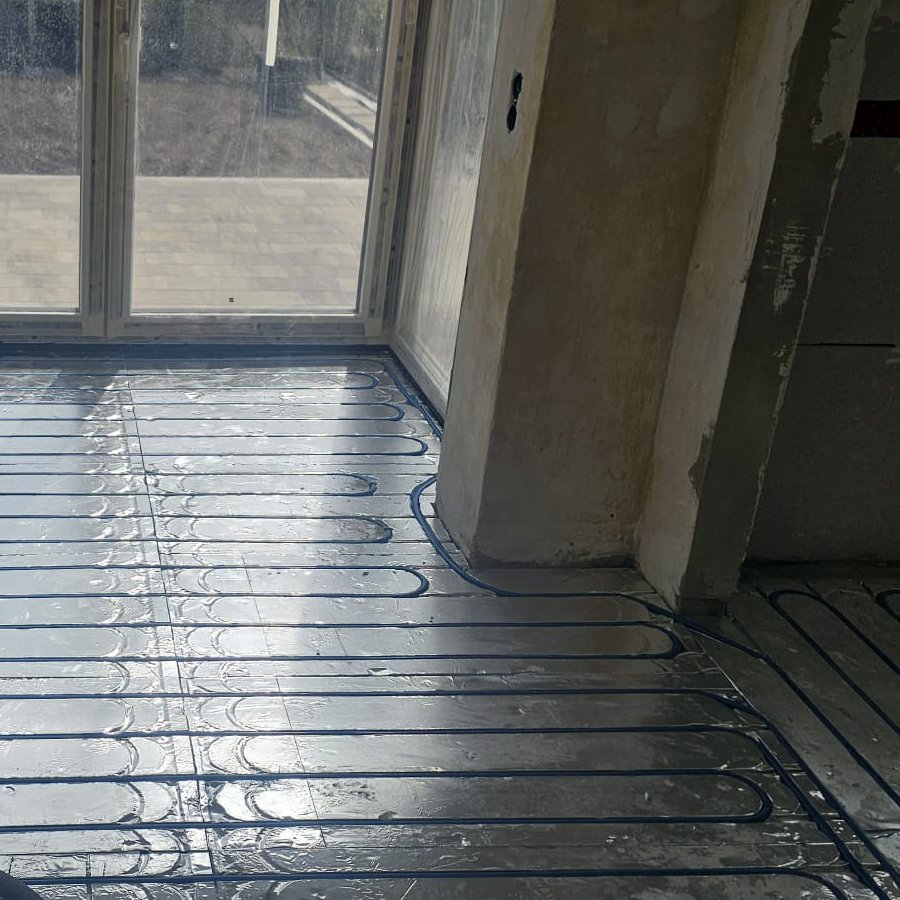
Benefits of Dry Underfloor Heating Systems
Dry underfloor heating systems are becoming increasingly popular in both new-build properties and renovation projects. Their lightweight construction and fast installation make them an attractive alternative to traditional underfloor heating systems embedded in screed.
Faster Installation Than Traditional Systems
Dry underfloor heating does not require a conventional screed pour. As a result, subsequent construction stages can often begin sooner once the heating system has been installed and the required checks have been completed. Depending on the project, this can shorten the overall construction or renovation schedule significantly.
No Waiting for Screed to Dry
Traditional screed needs sufficient time to cure and dry before certain floor finishes can be installed. Dry systems eliminate this conventional screed-drying stage, helping reduce delays and allowing the project to progress sooner.
Reduced Floor Loading
Dry underfloor heating systems are generally much lighter than traditional systems incorporating a thick screed layer. This is particularly beneficial when renovating older buildings, installing heating on upper floors or converting loft spaces where the load-bearing capacity of the floor structure must be considered.
Ideal for Renovating Existing Buildings
The relatively low installation height and reduced weight of dry systems make them suitable for projects where a traditional screed installation would be difficult, impractical or too heavy.
They can be especially useful when renovating existing floors, provided the selected system is compatible with the floor structure and intended floor finish.
Faster Response to Temperature Changes
Dry systems generally have less thermal mass than underfloor heating systems embedded in a thick screed layer. This allows them to respond more quickly to changes in heating demand, depending on the system design and floor finish.
As a result, room temperatures can often be adjusted more responsively, improving heating control.
Reduced Wet Construction Work
Without the need for a conventional screed pour, dry systems can reduce the use of wet construction materials and eliminate many tasks associated with screed delivery, pouring, curing and drying.
This can simplify site logistics and help keep renovation projects cleaner and more organised.
Suitable for Timber Buildings
Dry underfloor heating is particularly well suited to timber-frame houses and timber floor structures, where limiting the weight of the floor build-up is often important.
The complete system must still be designed to meet the structural requirements of the building and the installation specifications of the selected heating system.
Efficient Operation with Heat Pumps
Underfloor heating can operate at relatively low water temperatures, making it well suited to modern heat pumps. A properly designed dry system can support efficient heat distribution while helping reduce energy consumption.
Actual efficiency depends on the heat source, insulation, heat output requirements and the thermal performance of the complete floor construction.
Faster Floor Finishing
Once the heating system has been installed and all required checks have been completed, floor finishing can often proceed without waiting for a conventional screed layer to dry.
Depending on the system, compatible finishes may include laminate, engineered wood or other approved flooring materials. Always follow the system manufacturer’s requirements for the selected floor finish and any necessary load-distribution layers.
Fewer Risks Associated with Screed Installation
By eliminating the conventional screed-pouring stage, dry systems avoid certain problems associated with screed curing and drying, including delays caused by residual moisture or cracking.
Correct installation remains essential. Heating pipes, insulation boards, joints and floor finishes must all be installed according to the system specifications to ensure reliable performance.