


Water-Based or Electric Floor Heating? Pros and Cons
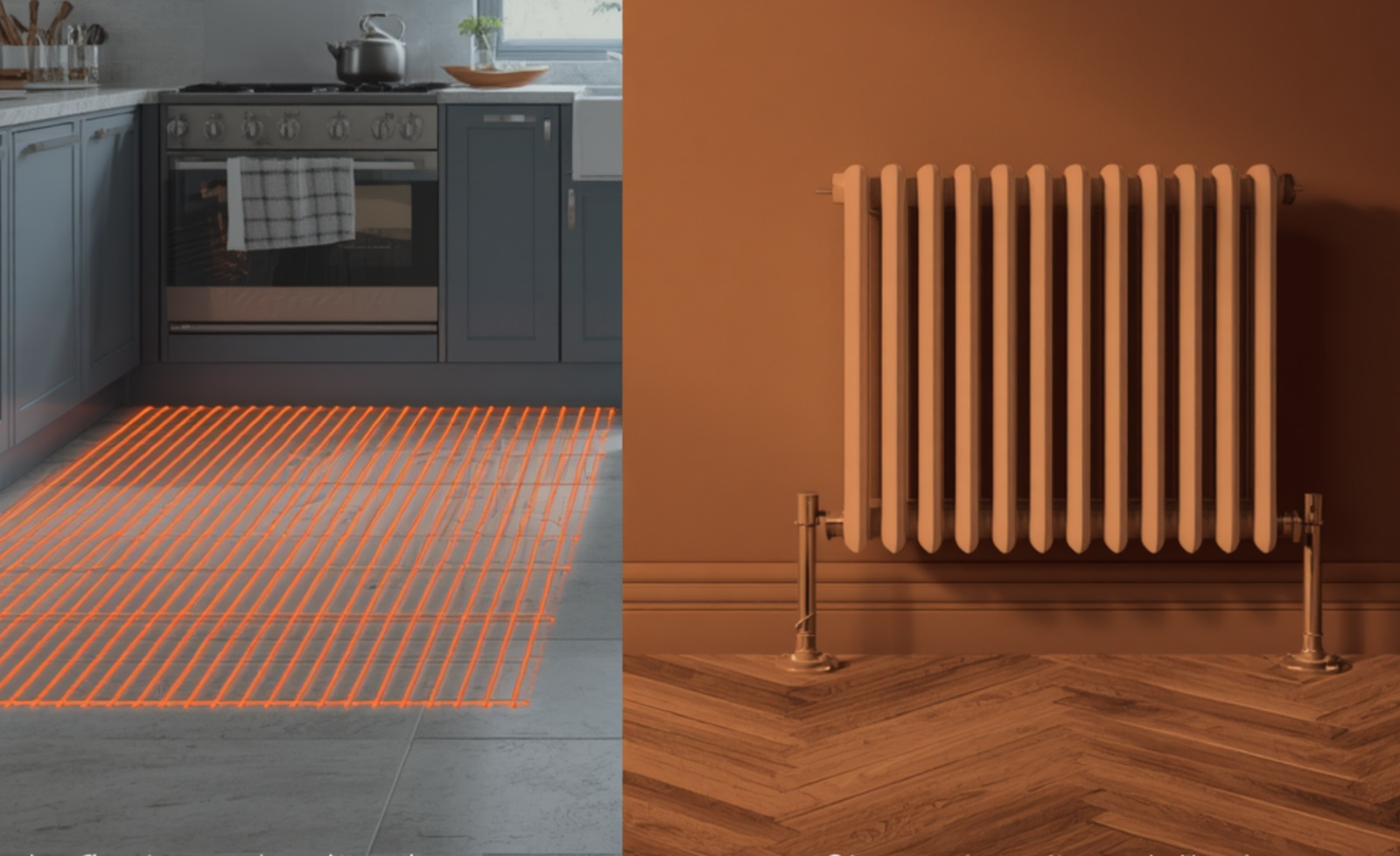
Comparing Underfloor Heating Systems
Underfloor heating has become increasingly popular in both new buildings and renovation projects. Its main advantages include a clean, unobstructed interior without the need for radiators and an even distribution of heat throughout the room.
When planning an installation, homeowners must often choose between water-based and electric underfloor heating. Both systems have their advantages and are best suited to different applications. This guide compares the main options to help you make an informed decision.
Water-Based Underfloor Heating – Lower Running Costs for Larger Areas
Water-based underfloor heating uses a network of pipes through which heated water circulates. The water is supplied by a heat pump, gas boiler or another heat source.
Because the system operates with relatively low water temperatures, it can achieve high energy efficiency and low running costs, particularly in larger detached houses. Actual performance depends on the heat source, insulation, system design and energy prices.
Water-Based Underfloor Heating – An Ideal Match for Heat Pumps
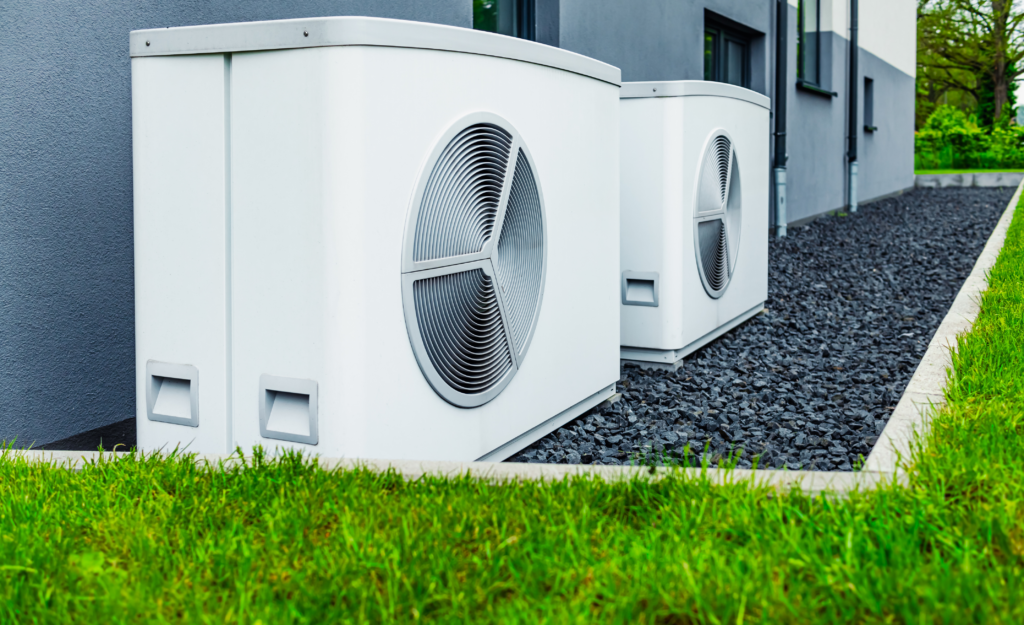
Heat pumps generally operate most efficiently with low-temperature heating systems. Water-based underfloor heating is well suited to these conditions, helping a heat pump deliver more useful heat for the electricity it consumes.
This combination can reduce energy consumption and improve the overall efficiency of the heating system when properly designed and installed.
Water-Based Underfloor Heating – Even Heat Distribution
The large heating surface helps distribute warmth evenly throughout the room. This can provide a comfortable indoor environment with fewer temperature differences between areas than some conventional heating arrangements.
The result is comfortable warmth underfoot and a more consistent indoor temperature when the system is correctly designed.

Electric Underfloor Heating – Quick and Straightforward Installation
Electric underfloor heating uses heating mats or cables powered by electricity. Because it does not require water pipes, manifolds or a separate heat generator, installation is often simpler than installing a new water-based system.
Electric underfloor heating is therefore a popular option for bathroom renovations, individual rooms and projects where installing a complete hydronic system would be impractical.
Electric Underfloor Heating – Minimal Floor Build-Up
Heating mats can be installed beneath suitable floor finishes, often within a relatively thin installation layer. This makes them particularly useful during renovations where the existing floor height must be maintained.
The required build-up depends on the heating product, adhesive or levelling compound, and selected floor finish. Always follow the manufacturer’s installation instructions.
Electric Underfloor Heating – Responsive Temperature Control
Electric heating mats and cables can respond relatively quickly to thermostat adjustments, depending on the floor construction and finish. This makes them suitable for rooms that are heated intermittently, such as bathrooms and some kitchens.
Running costs should be considered carefully, particularly when electric underfloor heating is intended to provide the main heating source for a large area.
Dry Underfloor Heating Systems – Ideal for Renovations
Dry underfloor heating systems are becoming increasingly popular, especially in renovation projects. In these systems, heating pipes are installed in specially designed system boards, often made from XPS or EPS, without the need for a conventional heavy screed layer.
Dry systems can reduce structural load and installation time. They are particularly useful in buildings where floor height, weight or construction time is limited.
BEFIRO XPS underfloor heating boards are designed for compatible water-based heating systems and provide an integrated solution for positioning heating pipes within the floor construction.
Wet Underfloor Heating Systems – A Proven Choice for New Buildings
A traditional wet underfloor heating system consists of heating pipes embedded in a screed layer. The screed transfers heat to the floor surface and provides thermal mass, helping the system retain heat and moderate temperature fluctuations.
Wet systems are widely used in new-build homes, where the floor structure can be designed to accommodate the insulation, pipes and screed thickness from the outset.
Routed Underfloor Heating – Renovation Without Significantly Raising the Floor
In existing buildings, routed underfloor heating can be an alternative to completely rebuilding the floor. Channels are cut into a suitable existing screed or floor layer, and heating pipes are installed in these grooves.
This approach can reduce the need to raise the finished floor level. Its suitability depends on the existing floor construction, screed thickness, structural requirements and condition of the substrate.

When Should You Choose Water-Based Underfloor Heating?
Water-based underfloor heating is a strong option for homeowners building a new house, planning to install a heat pump or heating a larger floor area. It is particularly attractive when low long-term running costs are a priority and the building can accommodate the required pipework and floor construction.
When Should You Choose Electric Underfloor Heating?
Electric underfloor heating is particularly suitable for smaller rooms, individual areas and renovation projects where straightforward installation and minimal floor build-up are important.
Before choosing an electric system as the main source of heating, compare its expected electricity consumption and operating costs with those of a water-based system.
Finding the Right Underfloor Heating Solution
There is no single system that is ideal for every project.
Water-based underfloor heating can offer low running costs and excellent compatibility with modern heat sources such as heat pumps. Electric systems are often simpler to install and are well suited to individual rooms. Dry underfloor heating systems offer another option, allowing water-based heating pipes to be installed without a conventional heavy screed layer.
The right choice depends on the building type, available heat source, installation height, structural constraints, budget and expected running costs. By evaluating these factors before installation, you can select an underfloor heating system that meets the requirements of your project.